Ever wondered what ‘leads meaning’ really is? It’s not just about potential customers—it’s the heartbeat of sales and marketing. Understanding this concept can transform your business strategy overnight.


What Is the True Leads Meaning?

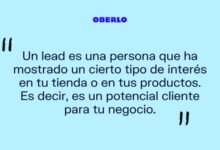
The term leads meaning refers to individuals or organizations that have shown interest in your product or service but haven’t yet made a purchase. These are not random contacts; they are prospects who have taken a specific action—like filling out a form, subscribing to a newsletter, or downloading a guide—that signals intent.
Defining a Lead in Modern Marketing
In today’s digital-first world, a lead is more than just a name and email. It’s a data point in your customer acquisition funnel. According to Investopedia, a lead is “a potential sales contact.” But that definition barely scratches the surface.
- A lead is someone who has engaged with your brand.
- They may have visited your website, clicked an ad, or followed your social media.
- Leads are categorized based on their level of engagement and readiness to buy.
“A lead is not just a prospect—it’s an opportunity wrapped in data.” — Marketing Expert, Neil Patel
Why Understanding Leads Meaning Matters
Without a clear grasp of leads meaning, businesses risk wasting resources on unqualified prospects. Knowing what constitutes a lead helps you focus your efforts on high-potential targets. It enables smarter segmentation, better targeting, and higher conversion rates.
For example, a B2B software company might define a lead as someone who downloads a whitepaper on cloud security. That action indicates a specific pain point and interest level, making the lead more valuable than a casual website visitor.
The Evolution of Leads in Digital Marketing
The concept of a lead has evolved dramatically over the past two decades. What once relied on cold calls and trade shows now thrives on data analytics, automation, and AI-driven insights. The leads meaning has expanded to include behavioral signals, digital footprints, and predictive scoring.
From Cold Calls to Clicks: A Historical Shift
In the 1990s, sales teams generated leads through direct outreach—door-to-door visits, phone calls, and print ads. A lead was often someone who responded to a direct mail campaign or attended a seminar.
Today, thanks to platforms like HubSpot and Salesforce, leads are captured automatically through website interactions, social media engagement, and email campaigns. This shift has made lead generation faster, more scalable, and more measurable.
The Role of Technology in Shaping Leads Meaning
Modern CRM (Customer Relationship Management) systems track every interaction a prospect has with a brand. From page views to time spent on a pricing page, these micro-interactions help define what a lead is in today’s context.
- AI-powered tools predict which leads are most likely to convert.
- Chatbots qualify leads in real-time by asking qualifying questions.
- Marketing automation nurtures leads with personalized content.
This technological evolution means that the leads meaning is no longer static—it’s dynamic, data-driven, and constantly refined.
Types of Leads: Breaking Down the Categories
Not all leads are created equal. Understanding the different types is crucial for effective lead management. The leads meaning varies depending on the stage of the buyer’s journey and the level of engagement.
Marketing Qualified Leads (MQLs)
These are leads that marketing teams identify as more likely to become customers based on their engagement. For example, someone who has downloaded three eBooks, attended a webinar, and visited the pricing page multiple times.
MQLs are not yet ready to buy, but they’ve shown strong interest. They require nurturing through email sequences, retargeting ads, and educational content.
Sales Qualified Leads (SQLs)
SQLs are leads that sales teams have accepted as ready for direct outreach. They’ve met specific criteria—such as budget, authority, need, and timeline (BANT)—and are considered high-intent prospects.
The transition from MQL to SQL is a critical handoff point between marketing and sales. Poor alignment here can result in lost opportunities.
Product Qualified Leads (PQLs)
Common in SaaS businesses, PQLs are users who have experienced the product—often through a free trial or freemium model—and demonstrated behaviors that indicate readiness to upgrade.
For instance, a user who has invited team members, used key features, and reached usage limits is a strong PQL. The leads meaning in this context is tied directly to product engagement.
How to Generate High-Quality Leads
Knowing the leads meaning is only half the battle. The real challenge lies in generating leads that convert. This requires a strategic blend of content, channels, and technology.
Content Marketing as a Lead Engine
High-value content—such as guides, templates, and webinars—attracts leads by solving real problems. When visitors exchange their contact information for access, they become leads.
- Create gated content that addresses specific pain points.
- Use SEO to attract organic traffic from search engines.
- Repurpose content into multiple formats (e.g., video, podcast, infographic).
According to Backlinko, long-form content (over 3,000 words) generates 3x more traffic and 4x more shares, increasing lead capture opportunities.
Leveraging Social Media and Paid Ads
Platforms like LinkedIn, Facebook, and Google Ads allow precise targeting based on demographics, interests, and behavior. A well-crafted ad campaign can generate hundreds of leads in days.
For B2B companies, LinkedIn lead gen forms are particularly effective. They reduce friction by auto-filling user data, increasing conversion rates by up to 200%.
“The best leads come from the right message, delivered to the right person, at the right time.” — Gary Vaynerchuk
Lead Scoring: Prioritizing Your Prospects
With potentially thousands of leads in your system, how do you know which ones to prioritize? That’s where lead scoring comes in. It’s a method of assigning numerical values to leads based on their behavior and profile.
Demographic vs. Behavioral Scoring
Demographic scoring considers factors like job title, company size, and industry. Behavioral scoring tracks actions—email opens, page visits, content downloads.
A lead who is a CTO at a mid-sized tech firm (demographic) and has viewed your pricing page three times (behavioral) would score higher than a student who signed up for a newsletter.
Implementing a Lead Scoring Model
To build an effective model:
- Define what actions indicate buying intent.
- Assign positive points for engagement (e.g., +10 for webinar attendance).
- Assign negative points for inactivity (e.g., -5 for no email opens in 30 days).
Tools like Marketo and Pardot automate this process, helping sales teams focus on the hottest leads.
Common Mistakes in Lead Management
Even experienced marketers make errors when handling leads. Misunderstanding the leads meaning can lead to poor targeting, wasted effort, and low ROI.
Overlooking Lead Nurturing
Many businesses focus on acquisition but neglect nurturing. Not every lead is ready to buy immediately. According to MarketingCharts, 80% of new leads never convert without proper follow-up.
Nurturing involves sending relevant content, answering questions, and building trust over time. Automated email workflows can keep leads engaged without manual effort.
Poor Sales and Marketing Alignment
When marketing passes leads to sales without clear criteria, friction arises. Sales may reject leads they deem unqualified, causing frustration on both sides.
Solution: Establish a Service Level Agreement (SLA) between teams. Define what constitutes an SQL and set response time expectations (e.g., sales must contact leads within 5 minutes).
The Future of Leads Meaning in a Privacy-First World
With rising concerns over data privacy and the deprecation of third-party cookies, the leads meaning is undergoing another transformation. Businesses must adapt to a world where tracking is limited and consent is mandatory.
The Impact of GDPR and CCPA
Regulations like the General Data Protection Regulation (GDPR) in Europe and the California Consumer Privacy Act (CCPA) require explicit consent before collecting personal data. This means fewer leads from passive tracking and more reliance on first-party data.
Companies must now focus on value exchange: offering something of worth in return for contact information.
Rise of Zero-Party Data
Zero-party data is information that customers intentionally and proactively share with a brand—like preferences, purchase intentions, and feedback.
This type of data is gold for lead generation because it’s accurate, consented, and highly relevant. Brands like Sephora and Nike use quizzes and preference centers to collect zero-party data, enhancing personalization and lead quality.
Measuring Lead Success: Key Metrics to Track
Understanding the leads meaning isn’t enough—you need to measure how well your lead generation efforts are performing. Here are the most critical metrics:
Conversion Rate
This measures the percentage of leads that become customers. A high lead volume means little if conversions are low. Industry benchmarks vary, but a 5–10% conversion rate is considered solid for most B2B sectors.
Cost Per Lead (CPL)
CPL tells you how much you’re spending to acquire each lead. If your CPL is $50 but your customer lifetime value (LTV) is $500, the investment is justified. If CPL exceeds LTV, it’s time to reevaluate your strategy.
Lead-to-Customer Ratio
This metric shows how many leads it takes to close one sale. A ratio of 5:1 means five leads yield one customer. Improving this ratio through better qualification and nurturing can significantly boost profitability.
What is the basic leads meaning?
The basic leads meaning is a potential customer who has shown interest in your product or service by providing contact information or engaging with your brand in a measurable way.
What’s the difference between an MQL and an SQL?
A Marketing Qualified Lead (MQL) is identified by marketing as having potential, while a Sales Qualified Lead (SQL) has been vetted by the sales team and is ready for direct outreach.
How do you generate high-quality leads?
Focus on creating valuable content, using targeted ads, optimizing landing pages, and implementing lead scoring to prioritize the most promising prospects.
Why is lead nurturing important?
Most leads aren’t ready to buy immediately. Nurturing builds trust, educates prospects, and increases the likelihood of conversion over time.
How is privacy regulation changing leads meaning?
With stricter data laws, businesses must rely more on first- and zero-party data, shifting from passive tracking to active consent and value exchange.
Understanding the leads meaning is foundational to any successful marketing and sales strategy. From defining what a lead is to generating, scoring, and nurturing them, every step impacts your bottom line. As technology and regulations evolve, so too must your approach. By focusing on quality over quantity, aligning teams, and respecting user privacy, you can turn leads into loyal customers and drive sustainable growth.
Further Reading:
