Want to unlock a massive market? Mastering leads in Spanish could be your golden ticket. With over 500 million native speakers worldwide, Spanish-speaking audiences represent a powerful, often underutilized opportunity for businesses. Here’s how to generate high-quality leads in Spanish—strategically, authentically, and effectively.


Why Targeting Leads in Spanish Is a Game-Changer

Spanish is the second most spoken language in the world by native speakers, trailing only Mandarin. But beyond sheer numbers, the cultural and economic potential of Spanish-speaking markets is immense. From Spain to Latin America, targeting leads in Spanish isn’t just about translation—it’s about connection.
Demographics of Spanish-Speaking Markets
The global reach of the Spanish language is staggering. According to Ethnologue, over 485 million people speak Spanish as their first language. The largest populations are in Mexico, Colombia, Argentina, and Spain. In the United States alone, more than 41 million people speak Spanish at home, making it the largest minority language in the country.
- Latin America has a combined GDP of over $6 trillion.
- The U.S. Hispanic market has a buying power exceeding $1.9 trillion.
- Spain remains a key economic hub in the European Union.
These figures aren’t just statistics—they represent real consumers actively searching for products and services. Ignoring leads in Spanish means leaving money on the table.
Cultural Nuances That Impact Lead Generation
Generating leads in Spanish requires more than linguistic accuracy—it demands cultural intelligence. For example, Latin American Spanish differs significantly from European Spanish in tone, vocabulary, and formality. A campaign that resonates in Mexico might fall flat in Madrid.
“Language is the road map of a culture. It tells you where its people come from and where they are going.” — Rita Mae Brown
Understanding regional idioms, humor, and values is essential. In many Spanish-speaking cultures, personal relationships and trust are paramount. Hard-sell tactics often backfire. Instead, soft-sell, relationship-driven content performs better. This means longer nurturing sequences, personalized emails, and community engagement.
How to Generate High-Quality Leads in Spanish
Generating leads in Spanish isn’t just about translating English content. It’s about creating culturally relevant, value-driven content that speaks directly to the audience’s needs, desires, and pain points.
Create Culturally Relevant Content
Content that feels authentic converts better. This means using local references, addressing region-specific challenges, and incorporating culturally appropriate visuals. For example, a fitness brand targeting leads in Spanish might highlight traditional dances like salsa or cumbia as part of a workout routine.
Use storytelling to build emotional connections. Share customer success stories from Spanish-speaking regions. Highlight local influencers or brand ambassadors. This builds credibility and trust—two essential components of lead generation.
Tools like Canva can help you design visuals with culturally appropriate colors, clothing, and settings. Avoid generic stock photos that don’t reflect the diversity of the Spanish-speaking world.
Optimize Landing Pages for Spanish Speakers
A landing page in Spanish should not be a direct translation of an English version. It should be a strategic adaptation. This includes:
- Using local currency and date formats.
- Including region-specific testimonials.
- Offering local payment methods (e.g., Oxxo in Mexico, Pago Fácil in Argentina).
- Ensuring mobile optimization—over 70% of internet users in Latin America access the web via smartphones.
According to Statista, digital penetration in Latin America has grown by over 20% in the past five years. This means more people are online, searching, and ready to convert—if you speak their language—literally and figuratively.
Top Tools to Capture Leads in Spanish
Technology plays a crucial role in scaling lead generation efforts. The right tools can automate, personalize, and optimize your campaigns for Spanish-speaking audiences.
CRM Systems with Multilingual Support
Customer Relationship Management (CRM) platforms like HubSpot and Salesforce offer multilingual capabilities, allowing you to segment leads in Spanish and deliver personalized follow-ups. These systems can track user behavior, assign lead scores, and trigger automated email sequences in Spanish.
Key features to look for:
- Language-specific workflows.
- Time-zone-based email scheduling.
- Integration with local social media platforms like WhatsApp and Telegram.
Using a CRM ensures that no lead falls through the cracks, especially when dealing with high-volume campaigns across multiple countries.
Email Marketing Platforms for Spanish Audiences
Email remains one of the most effective channels for nurturing leads in Spanish. Platforms like Mailchimp and Constant Contact support multilingual email campaigns with customizable templates.
Best practices for email campaigns targeting leads in Spanish:
- Use personalization tokens (e.g., “Hola, {{Nombre}}”).
- Avoid overly formal language unless targeting Spain.
- Send emails during local business hours.
- Include clear, action-oriented CTAs like “Descarga tu Guía Gratis” or “Reserva tu Demostración”.
A/B testing subject lines in different Spanish dialects can significantly improve open rates. For example, “¡Oferta Exclusiva para Ti!” might perform better in Colombia, while “Descuento Especial para Clientes Fieles” could resonate more in Spain.
SEO Strategies for Capturing Leads in Spanish
Search engine optimization is a cornerstone of organic lead generation. Ranking for relevant keywords in Spanish can drive consistent, high-intent traffic to your website.
Keyword Research for Spanish-Speaking Markets
Use tools like Google Keyword Planner, SEMrush, and Ahrefs to identify high-volume, low-competition keywords in Spanish. Focus on long-tail phrases that reflect user intent.
Examples of effective keywords for leads in Spanish:
- “cómo generar leads en español”
- “herramientas para captar clientes en línea”
- “cursos de marketing digital en español”
Don’t forget local variations. In Argentina, people might search for “formas de conseguir clientes”, while in Mexico, “cómo atraer prospectos” is more common.
On-Page SEO Best Practices
Optimize your content for both search engines and users. This includes:
- Using the focus keyword (e.g., “leads in Spanish”) naturally in titles, headers, and meta descriptions.
- Writing compelling meta descriptions in Spanish that encourage clicks.
- Using descriptive, keyword-rich URLs (e.g., /generar-leads-en-espanol).
- Adding alt text to images in Spanish.
- Ensuring fast page load speeds—especially important for mobile users in regions with slower internet.
Internal linking to related content in Spanish helps search engines understand your site structure and improves user engagement.
Leveraging Social Media to Generate Leads in Spanish
Social media is a powerful channel for building brand awareness and capturing leads in Spanish. Platforms like Facebook, Instagram, and LinkedIn have massive Spanish-speaking user bases.
Facebook and Instagram Ads for Spanish Audiences
Meta’s advertising platform allows precise targeting based on language, location, and interests. When running ads to generate leads in Spanish:
- Use native Spanish copywriting, not direct translations.
- Target by language, not just country—many bilingual users prefer Spanish content.
- Use carousel ads to showcase multiple offers or testimonials.
- Include lead forms directly in the ad for frictionless conversion.
A/B test different ad creatives and CTAs. For example, “Obtén tu Consulta Gratis” might outperform “Haz Clic Aquí” depending on the audience.
Engaging Communities on WhatsApp and Telegram
In many Spanish-speaking countries, WhatsApp is the primary communication tool. Businesses can use WhatsApp Business API to send personalized messages, answer inquiries, and even close sales.
Strategies for using WhatsApp to capture leads in Spanish:
- Create a broadcast list for promotions.
- Set up automated replies for common questions.
- Offer exclusive deals for subscribers.
- Use QR codes to connect users directly to your WhatsApp chat.
Telegram is also growing in popularity, especially among younger, tech-savvy audiences in Latin America. Creating a public channel or group can help build a loyal community around your brand.
Measuring and Optimizing Your Leads in Spanish Campaigns
Generating leads in Spanish is only half the battle. The real success lies in measuring performance and continuously optimizing your strategies.
Key Metrics to Track
To evaluate the effectiveness of your campaigns, monitor these KPIs:
- Conversion rate from Spanish landing pages.
- Cost per lead (CPL) in Spanish-speaking regions.
- Email open and click-through rates for Spanish campaigns.
- ROI from Spanish-targeted ads.
- Customer acquisition cost (CAC) and lifetime value (LTV) of Spanish-speaking customers.
Use Google Analytics to segment traffic by language and region. Set up goals to track form submissions, downloads, and purchases from Spanish-speaking users.
A/B Testing for Continuous Improvement
Never assume you’ve found the perfect message. A/B testing is essential for refining your approach to leads in Spanish. Test variables like:
- Headlines and subheadings in different dialects.
- CTA button text (e.g., “Empezar Ahora” vs. “Comienza Gratis”).
- Image choices (e.g., family vs. individual, urban vs. rural settings).
- Email subject lines and send times.
Even small changes can lead to significant improvements in conversion rates. For example, a study by CXL Institute found that switching from a generic CTA to a benefit-driven one increased conversions by 38% in Spanish-speaking markets.
Common Mistakes to Avoid When Targeting Leads in Spanish
Even well-intentioned campaigns can fail if they overlook key cultural or linguistic nuances. Avoid these common pitfalls when generating leads in Spanish.
Literal Translation Without Localization
One of the biggest mistakes is translating English content word-for-word. This often results in awkward phrasing, cultural misunderstandings, or even offensive messages. For example, the phrase “cool” might be translated as “frío”, which means cold in Spanish—a completely different meaning.
Always use professional localization services or native speakers to adapt your content. This ensures that idioms, humor, and tone are appropriate for the target audience.
Ignoring Regional Differences
Spanish is not a monolithic language. There are significant differences between countries in terms of vocabulary, pronunciation, and cultural references. For instance:
- In Spain, people use “ordenador” for computer; in Latin America, it’s “computadora”.
- The word “coger” means “to take” in Spain but is a vulgar term in many Latin American countries.
- Formality levels vary—Spain tends to be more formal, while Latin American Spanish is often more casual.
Segment your audience by region and tailor your messaging accordingly. A one-size-fits-all approach rarely works.
What does ‘leads in Spanish’ mean?
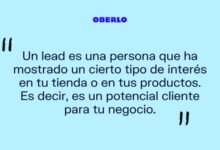
“Leads in Spanish” refers to potential customers or prospects who speak Spanish and are interested in your product or service. It involves creating marketing strategies—such as content, ads, and landing pages—in Spanish to attract, engage, and convert these individuals.
How do I generate leads in Spanish effectively?
To generate leads in Spanish effectively, focus on cultural relevance, use native-level content, optimize for local search engines, leverage social media platforms popular in Spanish-speaking regions, and use CRM tools to nurture relationships. Avoid direct translations and instead localize your messaging.
Is Spanish SEO different from English SEO?
Yes, Spanish SEO involves different keyword trends, search behaviors, and competition levels. It also requires attention to regional language variations and cultural context. Tools like Google Keyword Planner and SEMrush can help identify high-performing Spanish keywords.
Can I use the same landing page for all Spanish speakers?
No, it’s best to create region-specific landing pages. Spanish varies significantly across countries in vocabulary, tone, and cultural references. A landing page tailored to Mexico may not resonate with audiences in Argentina or Spain.
What are the best tools for managing leads in Spanish?
Top tools include HubSpot, Salesforce, Mailchimp, and WhatsApp Business. These platforms support multilingual communication, automation, and lead tracking, making it easier to manage and convert leads in Spanish.
Generating leads in Spanish is not just a translation task—it’s a strategic, cultural, and technological endeavor. By understanding the demographics, leveraging the right tools, optimizing for SEO, and avoiding common mistakes, businesses can unlock a vast, engaged market. The key is authenticity: speak their language, respect their culture, and deliver real value. When done right, leads in Spanish can transform your growth trajectory and open doors to long-term success across continents.
Further Reading:
