Ever wondered what a lead really is in today’s fast-paced digital world? The leads definition isn’t just about names and emails—it’s the heartbeat of every successful business strategy. Let’s break it down in simple, powerful terms.


Leads Definition: What Exactly Is a Lead?

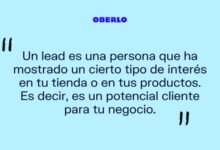
At its core, the leads definition refers to a person or organization that has shown interest in your product or service. This interest could be as simple as signing up for a newsletter, downloading a free guide, or filling out a contact form. A lead is not yet a customer, but they are on the path toward becoming one.
The Basic Framework of a Lead
A lead is more than just a name on a list. It’s a potential opportunity. In marketing and sales, identifying a lead means recognizing someone who has engaged with your brand in a meaningful way. This engagement signals intent, which is the first step toward conversion.
- A lead provides contact information voluntarily.
- They express interest through actions like clicking, downloading, or subscribing.
- They are not yet customers but are in the consideration phase.
Why the Leads Definition Matters in Business
Understanding the precise leads definition is crucial because it shapes how companies design their marketing funnels, allocate budgets, and train sales teams. Without a clear grasp of what constitutes a lead, businesses risk wasting resources on unqualified prospects.
“A lead is the starting point of every customer journey. Misunderstanding it can derail your entire sales process.” — HubSpot, What Is a Lead?
Leads Definition in Marketing vs. Sales
The interpretation of leads definition can vary between marketing and sales departments. While both teams aim to convert leads into customers, their definitions and criteria often differ, leading to potential misalignment if not managed properly.
Marketing’s Perspective on Leads
From a marketing standpoint, a lead is anyone who has interacted with your content in a trackable way. This could include:
- Subscribing to a blog or newsletter
- Clicking on a paid ad
- Downloading a whitepaper or eBook
- Attending a webinar
Marketing teams focus on volume and engagement. Their goal is to generate as many leads as possible through campaigns, SEO, social media, and content marketing.
Sales’ Perspective on Leads
Sales teams, on the other hand, are more selective. To them, a lead must meet specific criteria before it’s considered actionable. These criteria often include:
- Budget availability
- Decision-making authority
- Clear need for the product or service
- Timeline for purchase
This refined version of a lead is often called a sales-qualified lead (SQL). It’s the result of marketing passing over a marketing-qualified lead (MQL) after initial nurturing.
Types of Leads Based on the Leads Definition
Not all leads are created equal. The leads definition expands when we consider the different types of leads a business might encounter. Categorizing leads helps teams prioritize efforts and improve conversion rates.
Marketing Qualified Leads (MQLs)
An MQL is a lead that has engaged with marketing content and shown behaviors indicating interest. For example:
- Visited pricing page multiple times
- Downloaded a product brochure
- Attended a demo webinar
MQLs are not yet ready to buy but are being nurtured through email sequences, retargeting ads, and personalized content.
Sales Qualified Leads (SQLs)
An SQL is a lead that marketing has passed to sales because it meets predefined qualification criteria. These leads have been vetted and are considered ready for direct sales outreach.
- Requested a product demo
- Contacted support with specific questions
- Filled out a ‘Get a Quote’ form
According to Salesforce, SQLs are 3x more likely to convert than unqualified leads.
Product Qualified Leads (PQLs)
PQLs are particularly relevant in SaaS and freemium models. These are users who have experienced the product firsthand—often through a free trial or freemium version—and shown behaviors that indicate readiness to upgrade.
- Used key features multiple times
- Invited team members to collaborate
- Reached usage limits
PQLs are powerful because their interest is demonstrated through actual product usage, not just passive engagement.
Leads Definition and the Customer Journey
The leads definition becomes even more nuanced when viewed through the lens of the customer journey. A lead doesn’t appear out of nowhere—they evolve through stages of awareness, consideration, and decision.
Awareness Stage: The Birth of a Lead
This is where the lead lifecycle begins. A potential customer becomes aware of a problem they have and starts searching for solutions. They might come across your blog, social media post, or YouTube video.
- They perform a Google search like ‘best CRM for small business’
- They click on your SEO-optimized article
- They subscribe to your newsletter for more tips
At this point, they become a lead by providing contact information. This is often referred to as a top-of-funnel (TOFU) lead.
Consideration Stage: Nurturing the Lead
Now that the lead is aware of possible solutions, they begin comparing options. This is where nurturing comes in. Marketing automation, email drip campaigns, and retargeting ads help keep your brand top-of-mind.
- Sending case studies and comparison guides
- Inviting them to live demos or webinars
- Offering free trials or consultations
The goal is to move them from MQL to SQL by demonstrating value and building trust.
Decision Stage: Converting the Lead
At this final stage, the lead is ready to make a purchase decision. Sales teams take over, offering personalized demos, pricing discussions, and contract negotiations.
- Conducting one-on-one discovery calls
- Providing customized proposals
- Addressing final objections
If successful, the lead becomes a customer. If not, they may be re-nurtured or archived based on re-engagement potential.
How to Generate Leads: Strategies Aligned with the Leads Definition
Understanding the leads definition is only half the battle. The next step is knowing how to generate high-quality leads consistently. Here are proven strategies used by top-performing companies.
Content Marketing and SEO
Creating valuable, search-optimized content is one of the most effective ways to attract organic leads. By answering common questions and solving problems, you position your brand as a trusted authority.
- Write in-depth blog posts targeting buyer intent keywords
- Create downloadable resources like checklists and templates
- Optimize landing pages for conversions with clear CTAs
According to Backlinko, websites that publish consistent blog content generate 67% more leads than those that don’t.
Lead Magnets and Opt-In Offers
A lead magnet is a free resource offered in exchange for contact information. It’s a direct application of the leads definition—giving value to capture interest.
- E-books and guides
- Free tools or calculators
- Discount codes or trial access
The key is relevance. A well-crafted lead magnet addresses a specific pain point and aligns with the buyer’s journey stage.
Social Media and Paid Advertising
Paid channels like Facebook Ads, LinkedIn Ads, and Google Ads allow businesses to target specific demographics and behaviors, generating leads at scale.
- Use lead forms directly on social platforms
- Run retargeting campaigns for website visitors
- Target lookalike audiences based on existing customers
LinkedIn, for example, reports that B2B companies generate 80% of their leads from LinkedIn alone.
Measuring Lead Quality: Beyond the Basic Leads Definition
Not all leads are worth the same. The true value of a lead lies in its quality, not just its existence. Measuring lead quality ensures that sales and marketing efforts are focused on the right prospects.
Lead Scoring Models
Lead scoring assigns numerical values to leads based on their behavior and demographic data. This helps prioritize which leads should be contacted first.
- High score: Visited pricing page + downloaded brochure + opened 3 emails
- Low score: Signed up but never engaged further
Tools like Marketo and HubSpot enable automated lead scoring, improving efficiency and conversion rates.
Conversion Rates and ROI
The ultimate measure of lead quality is conversion rate—the percentage of leads that become customers. A high volume of low-quality leads can hurt ROI, while fewer high-quality leads can drive significant revenue.
- Track MQL-to-SQL conversion rate
- Measure SQL-to-customer conversion rate
- Calculate cost per lead and customer acquisition cost (CAC)
Companies with strong lead qualification processes see up to 50% higher conversion rates, according to Gartner.
Lead Nurturing and Follow-Up
Even the best leads won’t convert without proper nurturing. Automated email sequences, personalized messaging, and timely follow-ups keep leads engaged.
- Send a welcome email series after sign-up
- Use dynamic content based on user behavior
- Schedule follow-up calls after demo requests
Research shows that nurtured leads make 47% larger purchases than non-nurtured leads (MarketingSherpa).
Common Mistakes in Applying the Leads Definition
Even experienced marketers and sales professionals can misinterpret the leads definition, leading to inefficiencies and lost opportunities. Here are the most common pitfalls and how to avoid them.
Overvaluing Quantity Over Quality
Many businesses focus on generating as many leads as possible, ignoring quality. This results in bloated databases, low conversion rates, and frustrated sales teams.
- Solution: Implement lead qualification criteria early
- Solution: Use lead scoring to filter out unqualified leads
- Solution: Align marketing and sales on what defines a ‘good’ lead
Poor Handoff Between Marketing and Sales
When marketing passes leads to sales without proper context or timing, opportunities are lost. This disconnect often stems from differing definitions of what a lead is.
- Solution: Establish a Service Level Agreement (SLA) between teams
- Solution: Use CRM systems to track lead status and history
- Solution: Hold regular alignment meetings to review lead performance
Ignoring Lead Source and Context
Not all lead sources are equal. A lead from a paid ad may behave differently than one from an organic blog post. Ignoring this context can lead to ineffective follow-up strategies.
- Solution: Tag leads by source (e.g., Google Ads, LinkedIn, Webinar)
- Solution: Customize nurturing paths based on acquisition channel
- Solution: Analyze which sources deliver the highest ROI
Future of the Leads Definition: Trends and Predictions
The concept of a lead is evolving. With advancements in AI, data privacy regulations, and changing consumer behavior, the leads definition is becoming more dynamic and behavior-driven.
Rise of Zero-Party Data
As third-party cookies are phased out, businesses are turning to zero-party data—information customers willingly share. This includes preferences, purchase intentions, and feedback.
- Surveys and preference centers
- Interactive quizzes and assessments
- Transparent data collection practices
Zero-party data enhances the leads definition by providing deeper, consent-based insights into customer intent.
AI-Powered Lead Identification
Artificial intelligence is revolutionizing how leads are identified and scored. Machine learning models can predict which leads are most likely to convert based on historical data and real-time behavior.
- Predictive lead scoring
- Automated segmentation
- Smart follow-up scheduling
Companies using AI for lead management report a 50% increase in leads and appointments (Salesforce Research).
Hyper-Personalization in Lead Engagement
Generic messaging no longer works. The future of lead engagement lies in hyper-personalization—delivering the right message, at the right time, through the right channel.
- Dynamic email content based on user behavior
- Personalized landing pages
- AI-driven chatbots for instant engagement
Personalized experiences can boost conversion rates by up to 20% (McKinsey & Company).
What is the basic leads definition?
The basic leads definition is a person or organization that has shown interest in your product or service by providing contact information or engaging with your brand in a measurable way. It’s the first step in the customer acquisition process.
What’s the difference between a marketing lead and a sales lead?
A marketing lead (MQL) is someone who has engaged with marketing content but isn’t yet ready to buy. A sales lead (SQL) has been qualified by marketing and is deemed ready for direct sales outreach based on intent and fit.
How do you qualify a lead?
Leads are qualified using criteria like budget, authority, need, and timeline (BANT). Behavioral data such as page visits, downloads, and email engagement also play a key role in determining lead readiness.
What are the best ways to generate leads?
Effective lead generation strategies include content marketing, SEO, lead magnets, social media advertising, email marketing, and webinars. The best approach depends on your audience and industry.
Why is lead nurturing important?
Lead nurturing builds trust and keeps your brand top-of-mind. Most leads aren’t ready to buy immediately—nurturing increases the chances of conversion when they are ready.
Understanding the leads definition is far more than a textbook exercise—it’s the foundation of every successful customer acquisition strategy. From identifying initial interest to nurturing and converting, leads are the lifeblood of growth. By aligning marketing and sales, leveraging data, and adapting to future trends, businesses can turn leads into loyal customers. The key is not just to collect leads, but to understand them deeply and act with precision.
Further Reading:
